Quality criteria
What makes a rum premium.
Origin, production, maturation and balance: a guide to distinguishing real quality from striking presentation.
A bottle can attract attention before it is opened. A great rum must sustain that attention in the glass. For us, quality means explaining decisions, offering information and allowing the contents a voice of their own.
THE ESSENTIAL IDEA
Premium is demonstrated through traceability, production and balance. Price, colour and age alone are not enough.
The criteria, side by side.
An illustrative comparison of aims and expectations. ‘Premium’ and ‘mass-market’ are not two universal certification categories.
| Criterion | Mass market | What we expect from a premium proposition |
|---|---|---|
| Purpose | A recognisable profile, availability and consistency. | A defined expression and production decisions that can be explained. |
| Origen | Information varies by brand and product. | We expect clarity about production, maturation and bottling. |
| Maturation | A tool for building the intended profile. | Context, selection and balance matter, beyond the years alone. |
| Presentation | Packaging usually prioritises recognition and function. | It may add design and craftsmanship without replacing the quality of the rum. |
Large-scale production and individual expression
A mass-market rum usually serves a legitimate need: a recognisable profile, availability and a consistent experience. Scale does not inherently mean poor quality. Equally, making very few bottles does not automatically make a rum extraordinary.
The difference that matters to enthusiasts lies in specific decisions: the character sought, the distillates selected, the approach to wood and the information accompanying the bottle. A premium expression should explain its choices without hiding behind adjectives.
Origin should be explained precisely
Distinguish where the rum was fermented and distilled, where it matured and where it was bottled. These are different questions. A brand may work with a specialist producer without owning a distillery: credibility lies in explaining that relationship clearly.
When assessing a bottle, look for a story that welcomes questions. The country's name is a beginning; the liquid's provenance and the role of its makers reveal much more.
Maturation adds context, not a ranking
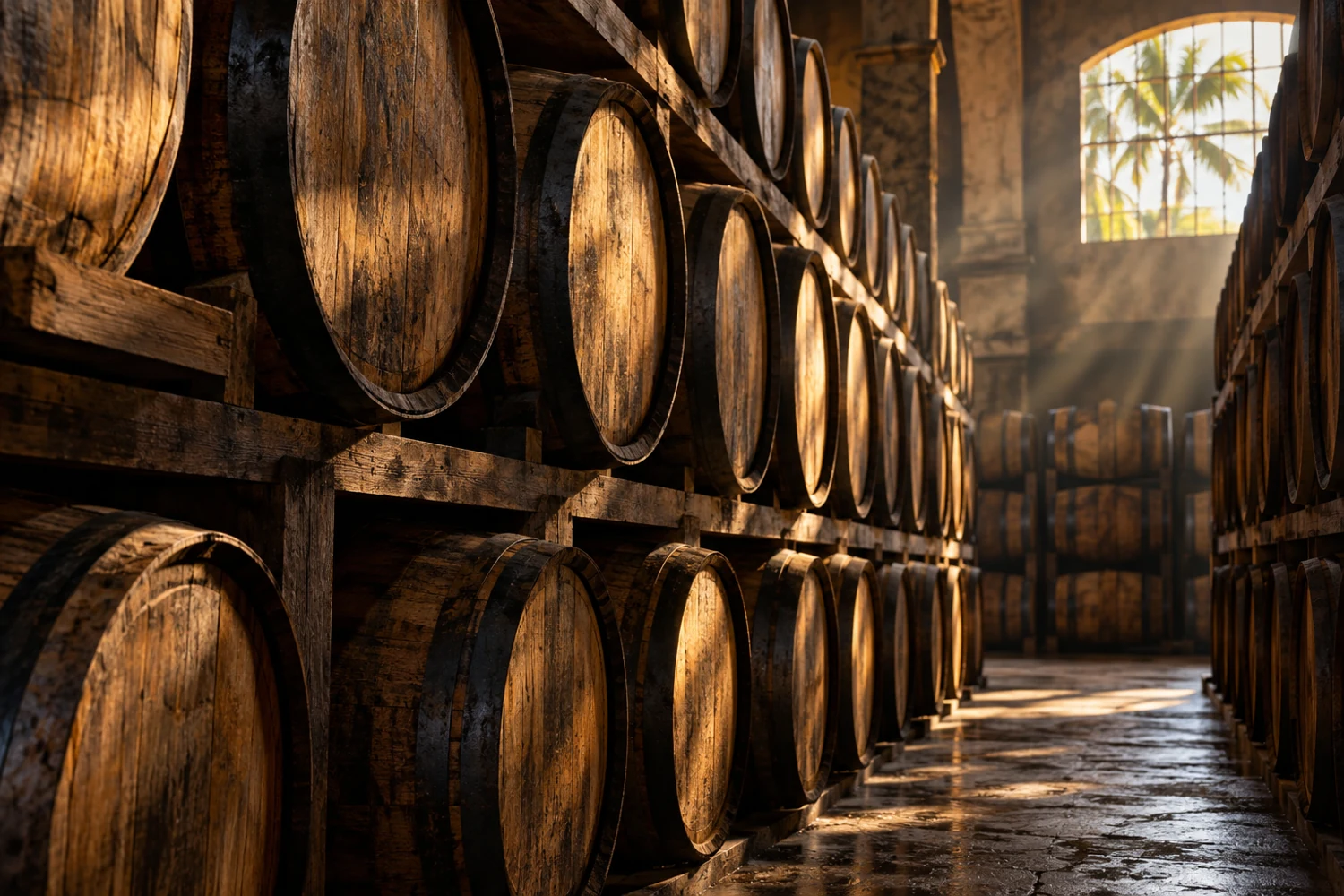
Age needs explanation: what the number represents, how the blend was assembled and under what conditions it matured. Dark colour alone does not demonstrate superior maturation; appearance may reflect choices of wood, filtration or colour adjustment.
We are not seeking the highest number. We prefer to ask whether the wood supports the spirit, whether its aromas are integrated and whether its intensity invites exploration. A younger expression can have excellent personality; an older one must retain balance.
Read the glass attentively
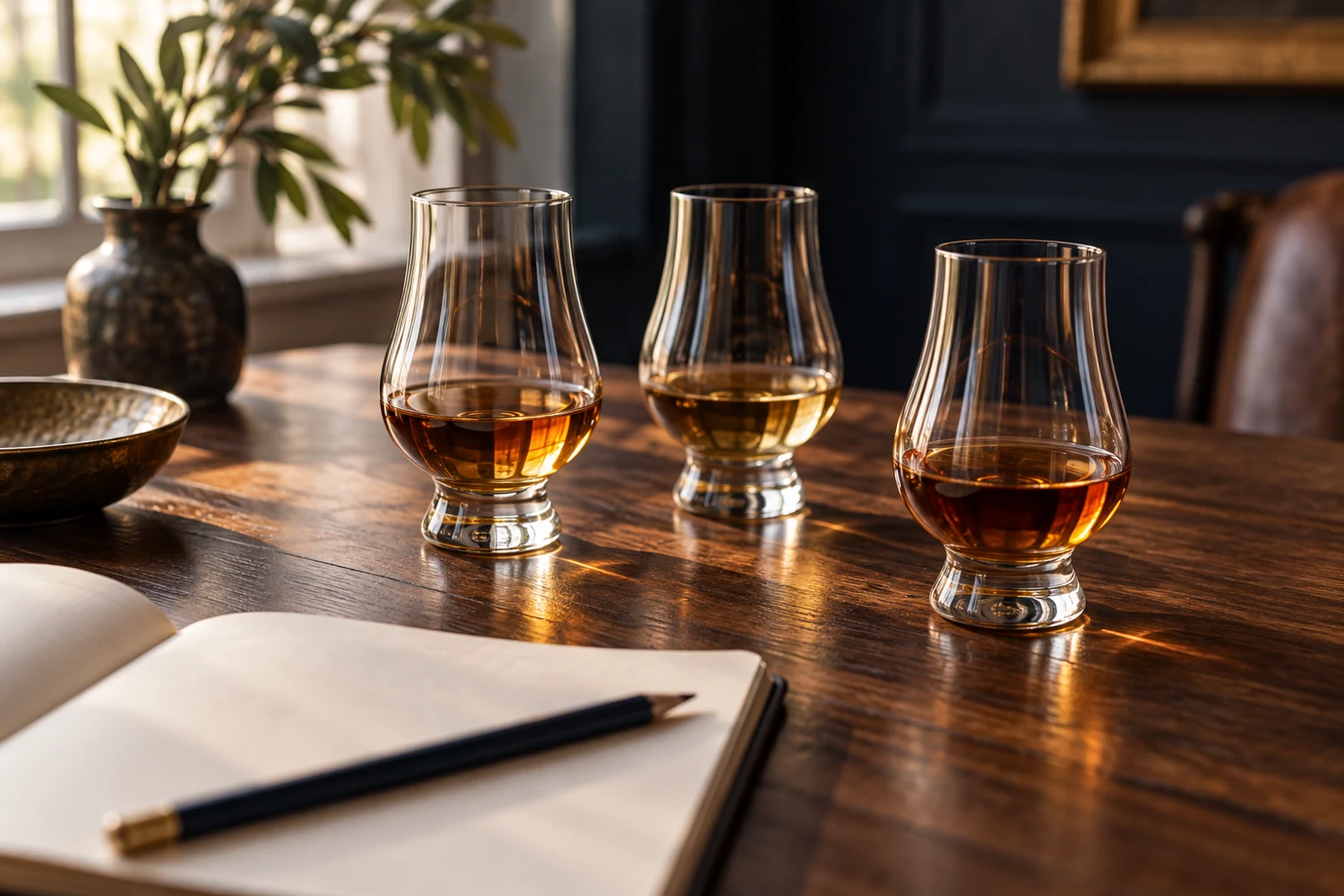
A useful assessment considers aromatic definition, balance, texture and persistence. Intensity is not the same as complexity: a dominant aroma can impress without offering an especially nuanced experience.
Personal preference matters too. The rum best suited to a cocktail need not be your choice for a slow tasting. Comparison starts with defining the experience you seek and listening to the liquid before its presentation.
The standard guiding TIGUERÓN
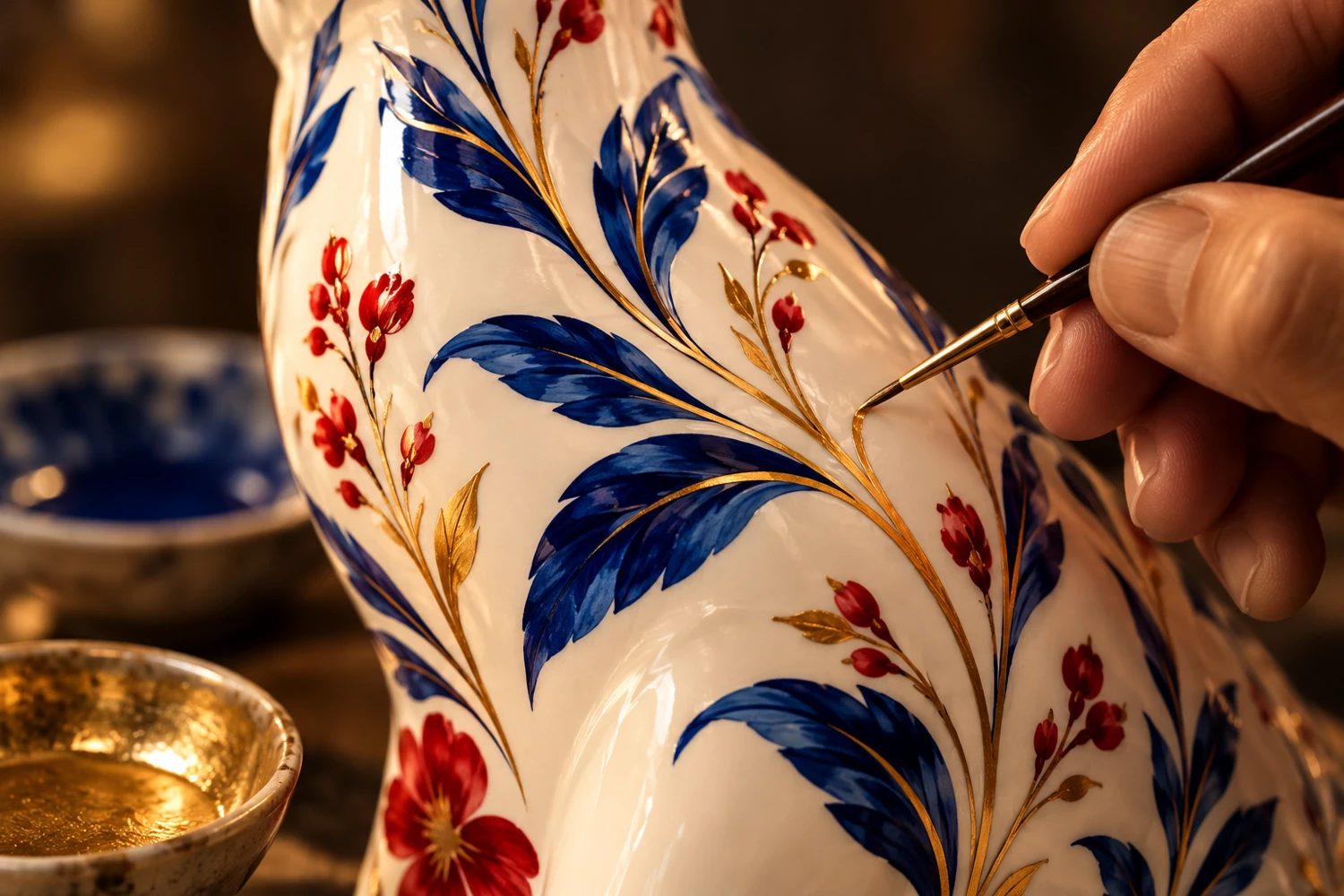
Our vision unites quality rum with an artistic piece. These are two independent standards: ceramic cannot replace the quality within, and the liquid cannot turn repeated decoration into a singular work.
That is why we will announce each edition's specifications once confirmed. TIGUERÓN aims to make provenance, rum selection, artist and materials a coherent story, satisfying both the enthusiast's curiosity and the collector's eye.
Editorial content by the TIGUERÓN team. External sources provide general context; they do not certify our products. Illustrative images created with AI.