Production and maturation
From cane to glass.
Raw material, fermentation, distillation, maturation and blending: the decisions building the character of rum.
Rum cannot be explained through one stage alone. Its personality develops through a chain of decisions, from raw material to final blend. Understanding that journey helps you enjoy it with greater discernment without turning tasting into an exam.
THE ESSENTIAL IDEA
Quality depends on coherence throughout the process. No stage, technique or number alone guarantees a great result.
The starting point: sugarcane
Sugarcane juice and molasses are common raw materials for rum. Each starting point opens possibilities, but the raw material alone cannot reveal a bottle's profile.
The interesting question is how that material is handled and what expression the producer wants to create. Avoiding automatic hierarchies between juice and molasses helps us appreciate the category's diversity.
Fermentation: building the first character
During fermentation, yeast transforms sugars into alcohol and develops part of the aromatic foundation that distillation will later shape. It is a technical stage and also a choice of style.
For enthusiasts, it matters to understand that rum's character begins before the barrel. Wood can contribute an important dimension, but it does not create the entire personality of a spirit on its own.
To distil is to select
Distillation separates and concentrates components of the fermented liquid. Pot and column stills offer different possibilities; naming the equipment is not enough to establish a quality ranking.
To assess a brand, it is more useful to understand each distillate's role in the final profile. Technique makes sense through its intention: the character to preserve, the balance sought and the connection with the rest of the process.
Maturation: a conversation with wood
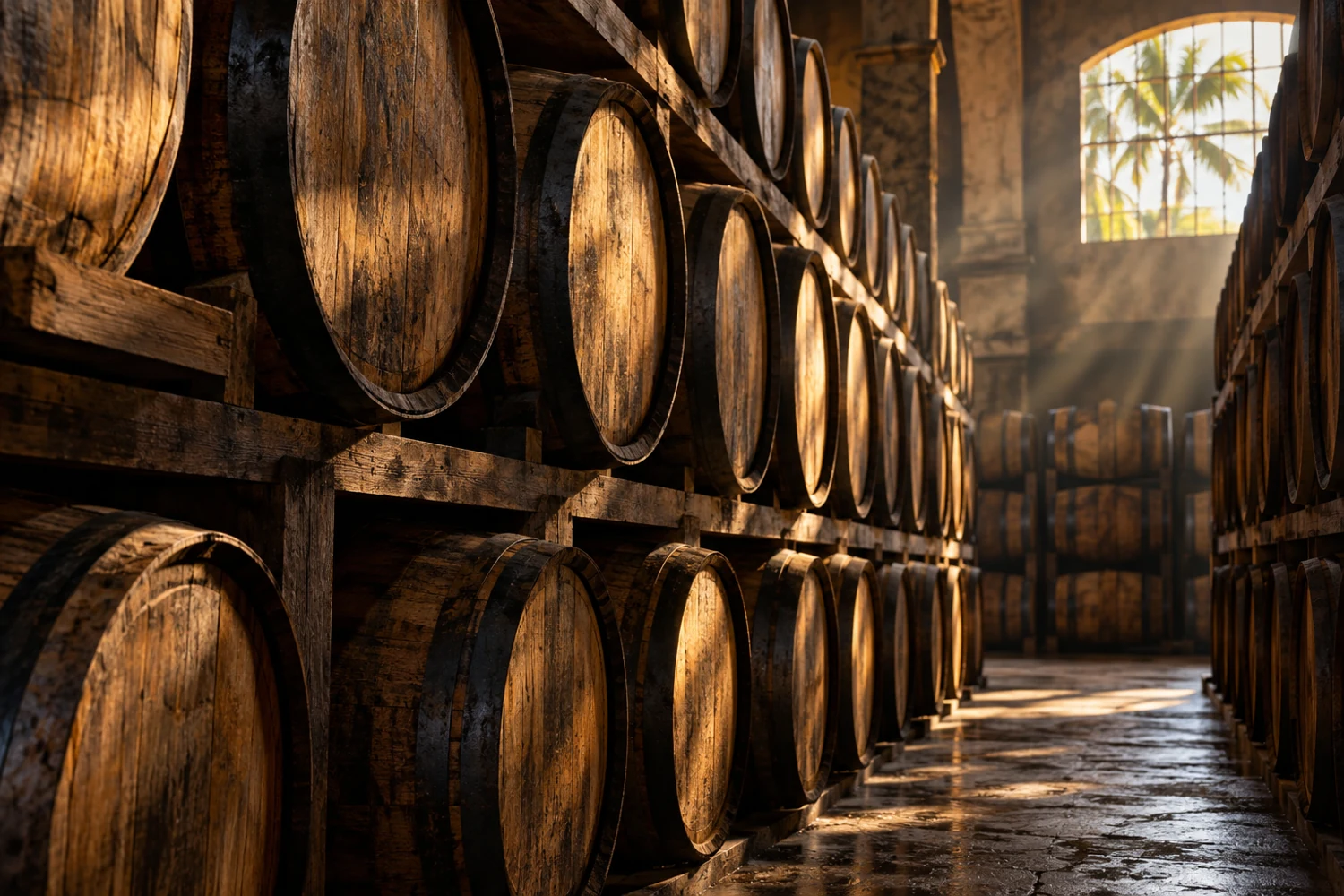
When matured in a barrel, rum evolves through contact with wood and its surroundings. The vessel and maturation conditions belong in the explanation; counting years alone leaves many questions unanswered.
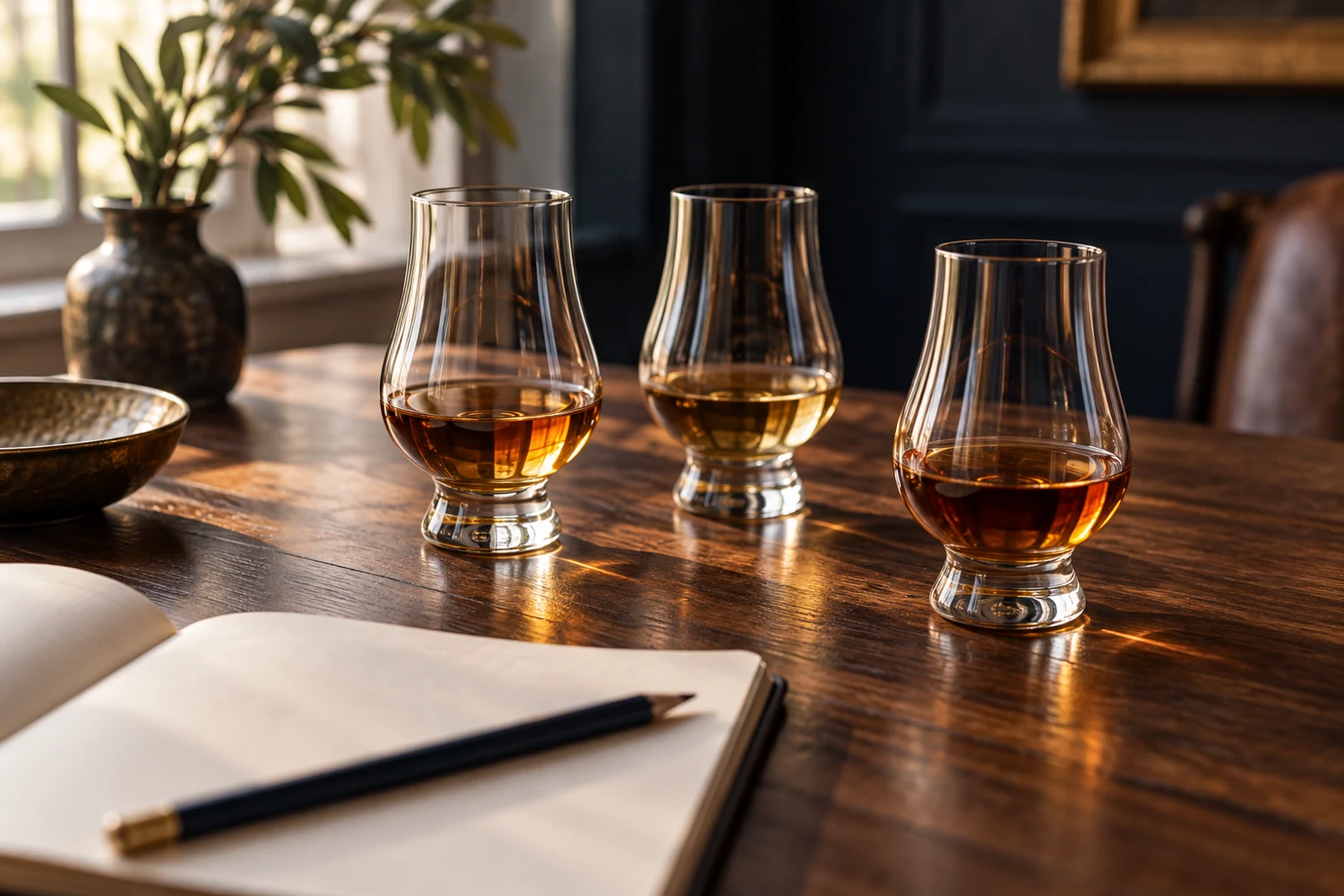
Separate appearance from journey. A clear rum may have undergone wood maturation and filtration. A deep colour likewise cannot prove age or quality. Producer information helps interpret what the eye cannot resolve.
Blending with discernment
Blending may seek continuity of style or create a particular expression. Imagine a composition: different elements must relate to one another rather than simply accumulate intensity.
A good production account explains its intended outcome. Complexity needs no confusing story; it should be describable in concrete terms that subsequently find an echo in the glass.
What we expect from a TIGUERÓN edition
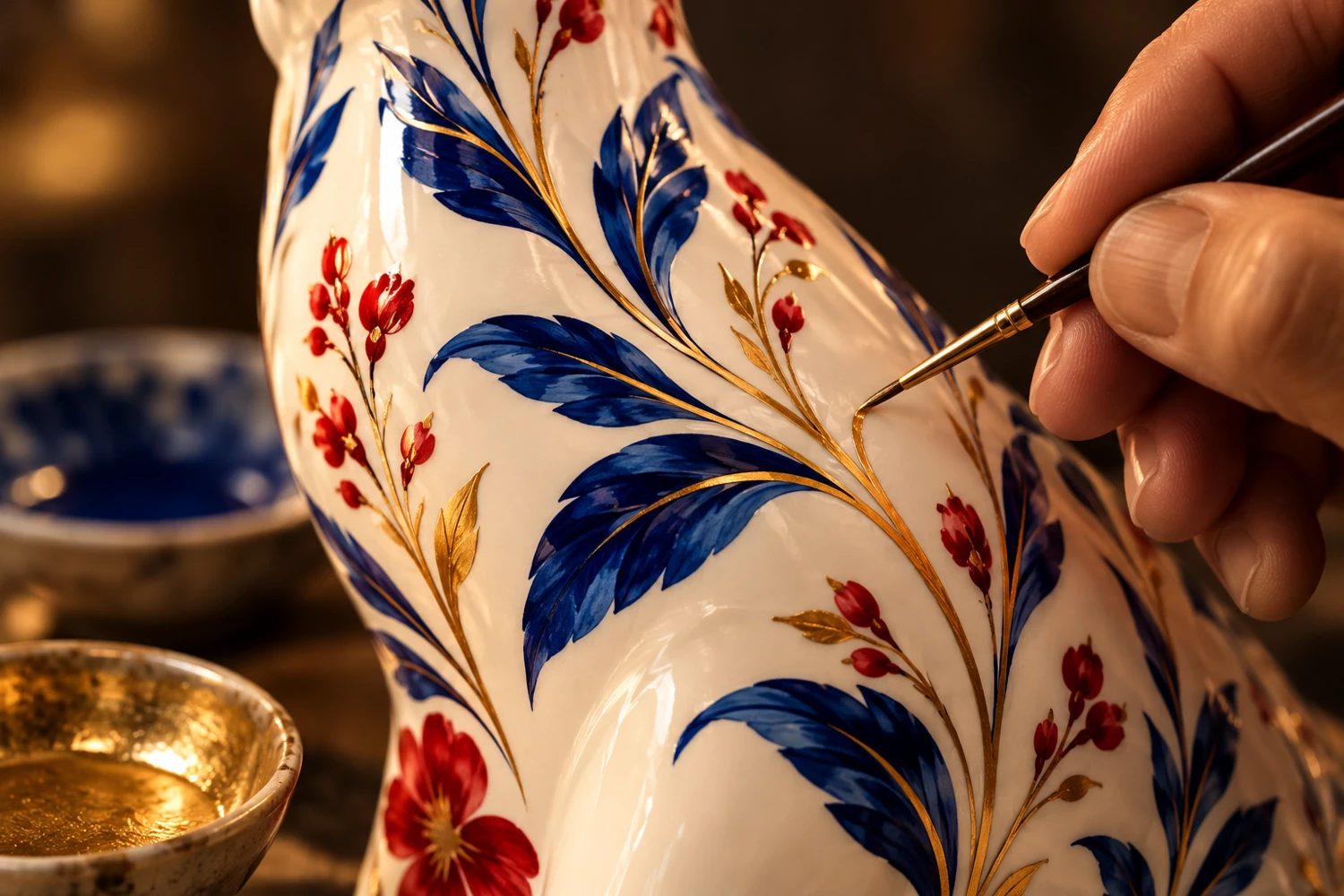
Our project requires two equally considered journeys: that of the rum and that of its ceramic piece. Before announcing a specific age or method, these must be confirmed for that edition.
This guide describes the category generally. Each release's product sheet will provide its specific details. Maintaining that distinction is part of an honest relationship with those drawn to the brand by flavour, art or both.
Editorial content by the TIGUERÓN team. External sources provide general context; they do not certify our products. Illustrative images created with AI.